Arcadia Roof Inspection is a free referral service. We connect callers with independent local roofing professionals. A roof over an Arcadia home works against foothill sun, Santa Ana winds, and mature trees that shade the surface and load its valleys with debris — and most of what that weather does stays invisible from the driveway. Homeowners call when a stain appears on a ceiling, when tiles have slipped after a windy night, when a home purchase hangs on what the roof really looks like, or simply when nobody can say how old the roof is. Call, describe what you are seeing, and we connect you with a local professional who can get on the roof, read its condition honestly, and explain what it means.
Free referral help for roof inspection in Arcadia — we connect you with a local professional.
Tile and shingle roofs
Calls answered day and night
Arcadia & nearby foothill areas
No obligation — just answers
What a roof inspection covers
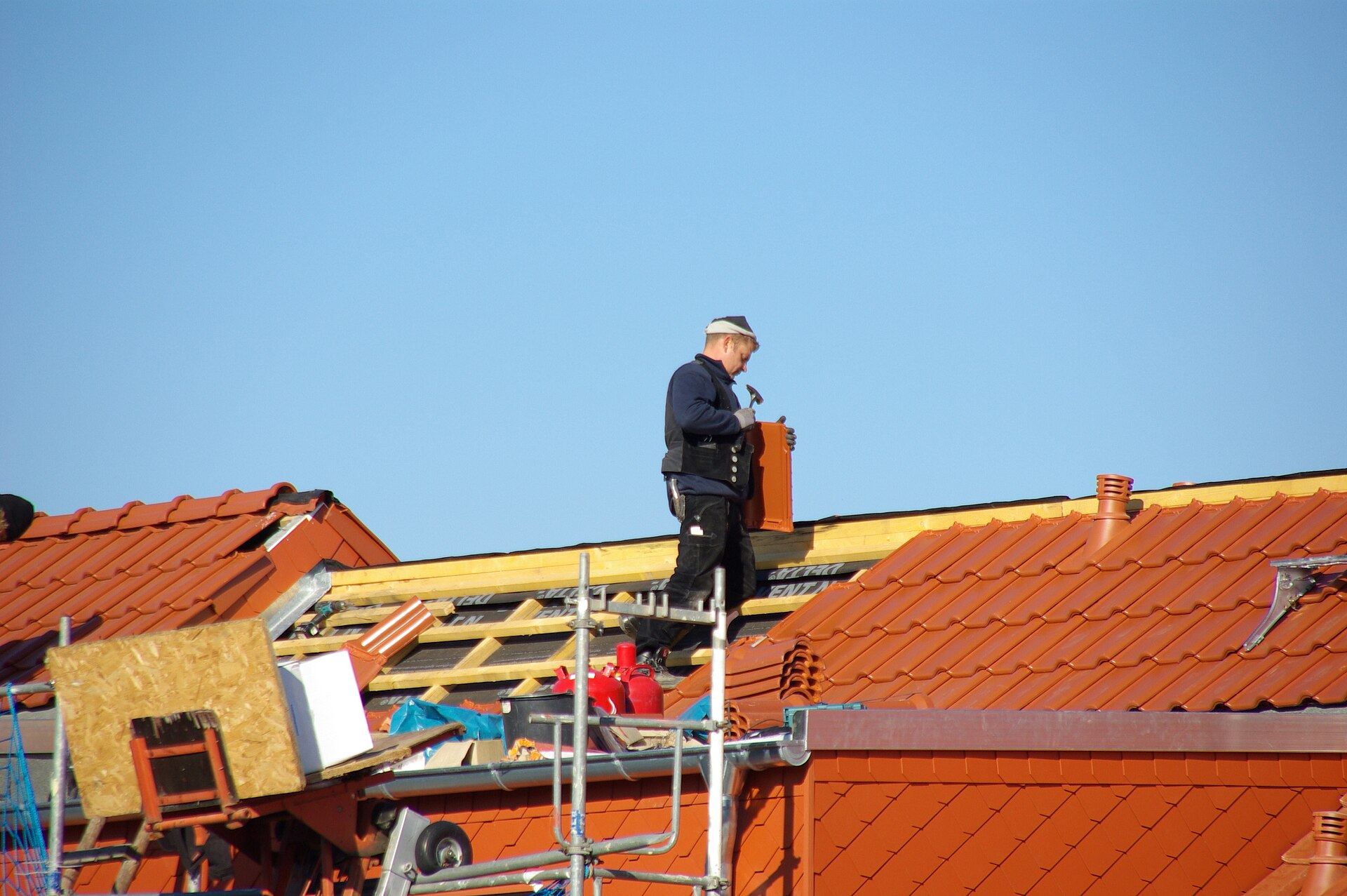
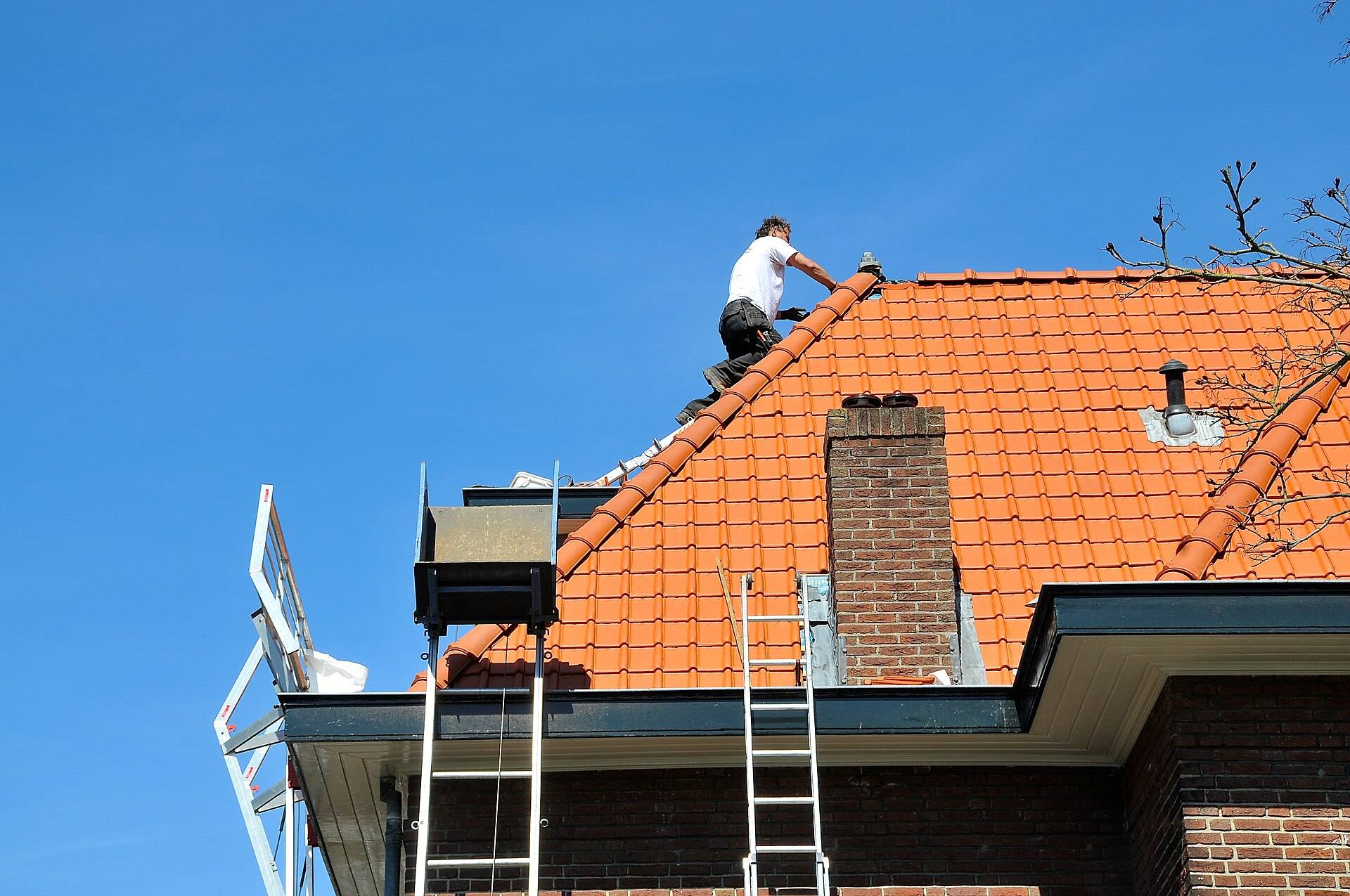
Shingles and tiles checked tile by tile, course by course
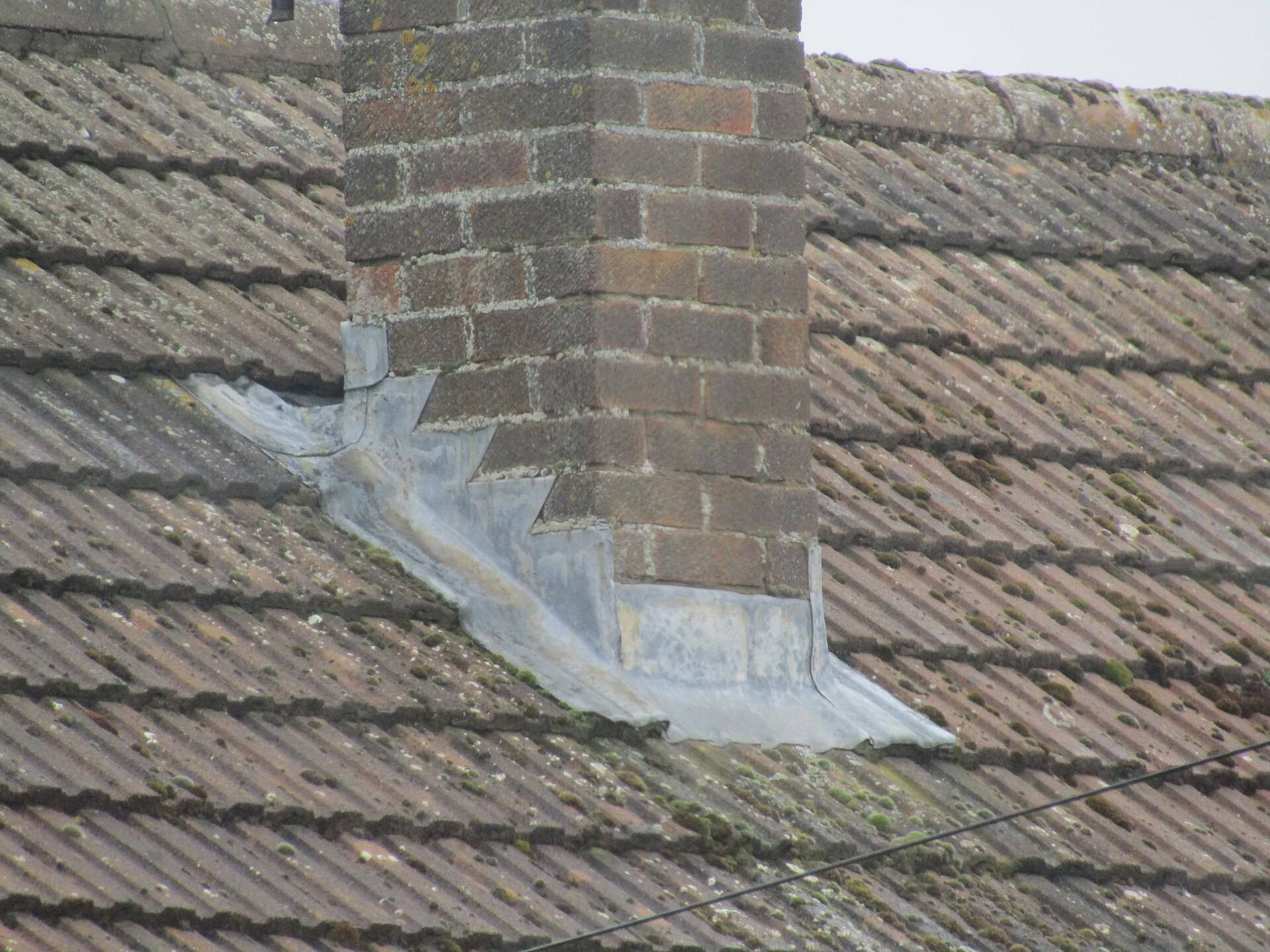
Flashing, valleys, ridge caps, and sealed penetrations
Attic look for damp decking, staining, and ventilation
Findings explained in plain language, with next steps
The short answer
What is a roof inspection, and when does a roof need one?
A roof inspection is a systematic, on-the-roof examination of everything that keeps water out of a house: the surface material itself, the flashing where roof planes meet chimneys, walls, and vents, the valleys that carry the heaviest water, the ridge and edge details the wind tests first, and — from inside the attic — the underside of the deck, where dampness and staining tell the truth about what the surface has been letting through. It ends not with a sales pitch but with a condition picture: what is sound, what is aging, what needs attention now, and what can simply be watched.
Most calls begin with a specific worry. A ceiling stain that darkens after rain points toward a roof leak inspection, where the work is tracing water back to its entry point. A broader uncertainty — a roof of unknown age, a house going on the market, a surface nobody has looked at in a decade — is better matched by a full roof condition assessment, which weighs the whole system's remaining life. Telling the difference takes about a minute on the first call, and either way the visit itself covers the same careful ground.
When you call, expect questions about the roof you have — shingle or tile, its rough age if you know it, and the signs that prompted the call — not a script. From there, we connect you with an independent local roofing professional. Your provider arranges the visit, spends the time on the roof and in the attic that the questions require, and talks through the findings with you directly. Any decision about repairs or replacement is made afterward, with that information in hand, between you and your provider. Nothing is booked, ordered, or agreed to on the first call.
Services
Inspection services you can be connected with in Arcadia
Every inspection answers a question, and the question shapes the visit. These are the services Arcadia homeowners, buyers, and sellers ask to be connected with most often — from the standard condition check to the urgent call after a storm has been through the foothills.
Roof Inspection
The core service: a complete on-the-roof and in-the-attic examination of surface, flashing, valleys, edges, and deck. A full roof inspection is the right conversation when you want to know where your roof stands before a small finding becomes a leak, before storm season tests it again, or before another year passes without anyone having looked. The visit ends with findings explained plainly — what is sound, what is wearing, and what deserves attention first — so the next step, whatever it is, starts from facts.
A stain on the ceiling marks where water arrived, not where it entered. A roof leak inspection traces the water's path uphill to its true entry — a flashing gap, a perished vent seal, a displaced tile — so the fix lands on the cause.
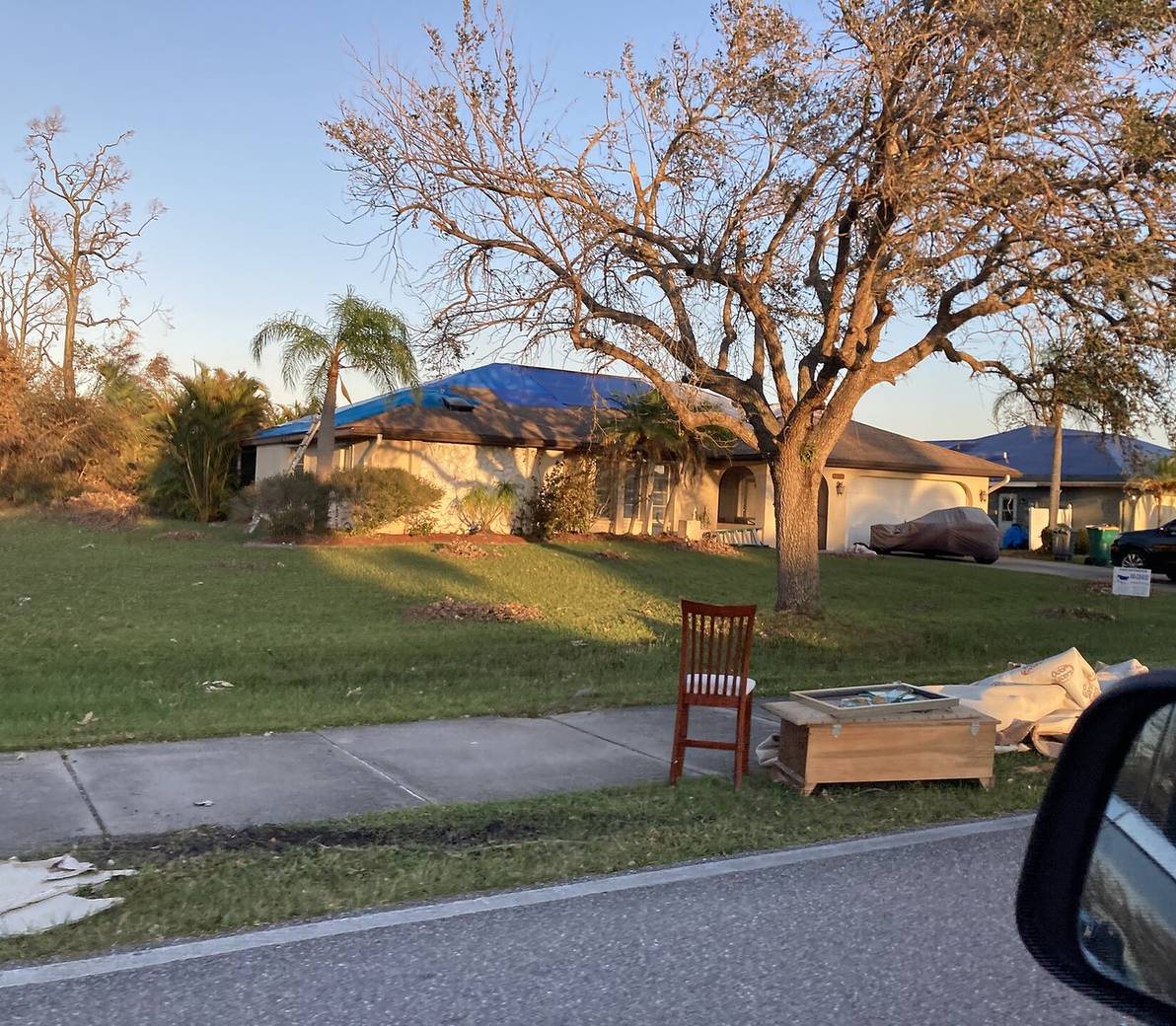
Santa Ana winds and heavy foothill rain leave findings that hide from the street: lifted shingles, shifted tiles, debris packed into valleys. A storm damage roof inspection documents what the weather actually did, soon after it did it.
A roof is the largest single surface a buyer inherits, and the least visible during a showing. A pre-purchase roof inspection gives escrow a dedicated, on-the-roof answer about condition and remaining life.
Some roofs are not leaking and not storm-hit — they are simply unexamined, sometimes for decades. A roof condition assessment weighs the whole system: surface age and wear, flashing health, underlayment hints, attic condition, and a realistic view of remaining life, so owners can plan repairs, budgets, and timing on evidence instead of guesses. It is the visit that turns "the roof is probably fine" into knowledge.
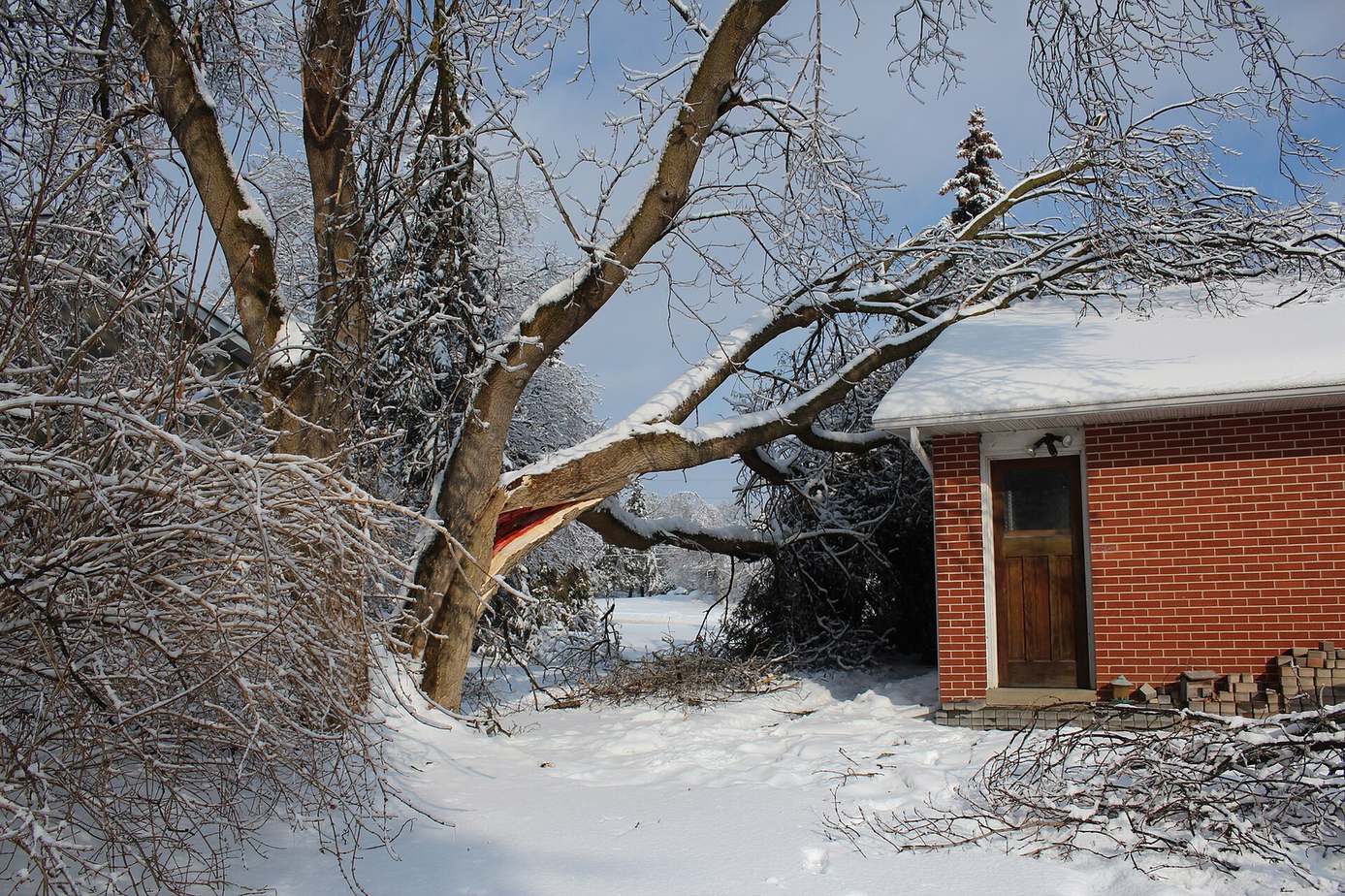
Water coming through tonight, a limb down on the roof, tiles scattered in the yard after a wind event — some findings cannot wait for a quiet week. Emergency roof inspection help is one call away, day or night, when an Arcadia roof needs urgent eyes on it.
Roofs rarely fail without warning — they send small signals first, usually after wind or rain. If two or more of these sound familiar, it is worth arranging a roof inspection while the findings are still small.
A ceiling stain that returns
A ring that fades in dry weeks and darkens after rain means water has found a repeatable path in. The stain is the end of that path, rarely the start.
Tiles or shingles out of place
A slipped tile, a lifted shingle edge, or roofing pieces in the yard after a windy night. Wind works at the same weak point harder each time it visits.
Debris piling in the valleys
Leaves, needles, and small limbs dam the channels that carry the most water. A dammed valley holds water against seams and underlayment long after rain ends.
Granules in the gutters
Grit washing out of downspouts is the shingle surface itself leaving. Bare patches age fast under foothill sun once that protective layer thins.
Cracked or slipping tiles
On tile roofs, individual cracked and displaced tiles expose the underlayment beneath — the layer actually keeping water out — to sun it was never meant to take.
A roof nobody can date
If no one knows when the roof was installed or last examined, the honest starting point is a documented look at its condition rather than another year of assuming.
Any single sign can have a small cause, which is exactly why a proper look beats guessing from the ground. If water is actively coming in, a limb is down on the roof, or material is loose ahead of more wind, skip the deliberation and go straight to emergency roof inspection. Otherwise, an hour of professional attention now settles questions that otherwise get answered by the next storm, on its schedule rather than yours.
In-depth guide
Why roofs age quietly in Arcadia — and what an inspection reads
An Arcadia roof lives at the meeting point of three conditions that rarely trouble a roof all at once elsewhere: foothill sun strong enough to bake surfaces for most of the year, Santa Ana wind events that arrive dry and fast from the canyons, and one of the most mature urban tree canopies in the San Gabriel Valley. Each condition ages a roof in its own way, and an inspection is really the practice of reading all three stories on one surface.
Sun, wind, and canopy: the three pressures
Sun is the slow pressure. Months of direct exposure dry out shingle asphalt until tabs curl and shed their granules, fade and embrittle the sealant lines at flashing, and work on tile underlayment wherever a cracked or slipped tile lets light reach it. South and west slopes take the heaviest dose, which is why Arcadia roofs so often age unevenly — one slope tired, the shaded slope opposite still sound.
Wind is the episodic pressure. Santa Ana gusts pour down from the foothills and get under anything already loose: a shingle tab whose seal has failed, a ridge cap, a tile at a roof edge. Wind also delivers the canopy — leaves, needles, and limbs — into the valleys and gutters, where debris dams hold the next rain against the roof far longer than the storm itself lasts. Most wind findings are small on the day they happen and significant by the time anyone notices them from the ground.
The canopy is the constant background. Arcadia's mature oaks and pines shade roofs beautifully and keep them damp: shaded surfaces dry slowly after rain, leaf litter accumulates where slopes meet, and branches rest closer to the surface with every year of growth. None of that makes the trees a problem to solve — they are part of why the city looks as it does — but it does mean roofs here benefit from being looked at on a rhythm, not on a hunch.
Good to know
After any Santa Ana event strong enough to scatter branches across your street, a slow look from the ground tells you plenty: tiles or shingles out of line, debris heaped in a valley, a gutter suddenly full of grit. Note the date and what you saw — that short record genuinely helps your provider know where to look first.
How a thorough inspection actually proceeds
A good inspection follows the water. It starts where rain lands and ends where it should leave, checking each hand-off along the way:
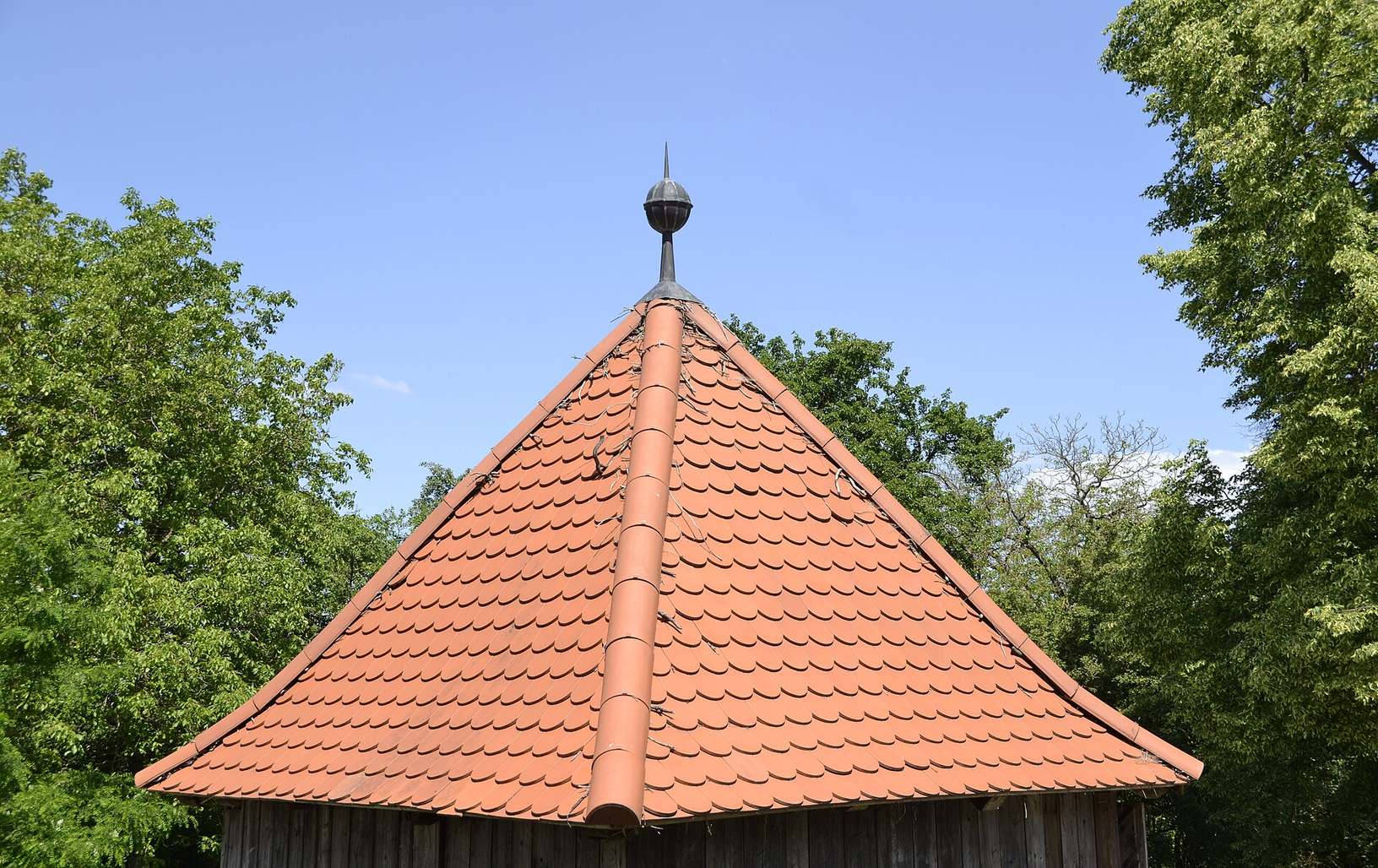
The surface itself: shingles read for curling, cracking, and granule loss; tiles checked individually for cracks, slips, and displacement, with ridge and hip caps examined along every run.
Flashing and penetrations: chimneys, vent pipes, skylights, and roof-to-wall junctions — the junctions where most leaks are born — checked for gaps, cracked seals, and metal that wind or corrosion has loosened.
Valleys and drainage: valley lines cleared of the debris picture, gutters and downspouts assessed, and low spots where water lingers identified.
Edges and ridges: the lines wind attacks first, checked for lifting, missing pieces, and fasteners losing their hold.
The attic underside: decking looked over for dampness, staining, and sag; insulation checked for wet spots; ventilation assessed so heat and moisture are not trapped against the deck.
That sequence is what separates an inspection from a glance. The surface a homeowner sees is only the weather layer; the findings that matter most often sit at its edges, its junctions, and its underside. For a roof where the question is specifically a stain or a drip, the dedicated page on roof leak inspection explains how tracing narrows the same examination down to one water path.
What happens after the inspection
Once the roof has been read, your provider walks the findings with you: what is sound, what is wearing and how fast, what deserves action now, and what can wait and be watched. You should come away knowing the roof's material and rough age, the state of its flashing and edges, and a sensible sense of its remaining life. Decisions after that are yours in the ordinary way — a targeted repair, a monitoring rhythm, or replacement planning for a roof near its end — each made with the evidence in hand rather than under pressure.
Watch out
Be cautious of any firm conclusion about a roof's condition offered from the ground or from photographs alone. Tile underlayment, flashing hidden under courses, and attic-side dampness only declare themselves to someone who gets up there and looks. An inspection's value is exactly that closeness — insist on it.
How it works
How it works, from first call to clear findings
Four simple steps, and you stay in control of every decision that follows from what the inspection finds.
1
Call and describe your roof
Call (626) 530-1097 and talk through what you have: the roof's material and age if you know them, the signs that prompted the call, and anything time-sensitive like a closing date or an active drip.
2
We connect you with a local professional
Based on your situation and where in Arcadia the home is, we match your request with an independent local roofing professional, and your provider arranges the visit with you directly.
3
Your provider inspects and explains
Your provider examines the surface, flashing, valleys, and edges on the roof, checks the attic underside, and lays out the findings — condition, concerns, and remaining life — in plain language.
4
You decide what happens next
You choose whether any follow-up work goes ahead, and with whom, and when. No work begins on your roof until you have approved it with your provider.
To be clear about how this service works: Arcadia Roof Inspection is a free referral service. We connect callers with independent local roofing professionals. When you call, we connect you with an independent local roofing professional — we do not climb roofs ourselves. The professionals callers are connected with inspect, advise, and carry out any follow-up work you later decide to have done.
Why timing matters
Why a quiet roof problem rarely stays quiet
A roof problem in the foothills does not pause while you think about it. Sun keeps working at a cracked tile's exposed underlayment every clear day, and each wind event re-tests every edge the last one loosened. A slipped tile that sheds water harmlessly in October becomes a funnel in January when rain arrives in bursts and debris dams slow the valleys. The seasons here keep those tests coming, one after another.
What grows quietly is everything under the surface. Decking that stays damp softens, which loosens the very fixings the roof depends on in high wind. Water that reaches the attic wets insulation and ceilings, and in Arcadia's older homes it can travel along framing a surprising distance before it shows. A finding that might have been a one-tile fix in spring can become deck repair and interior patching by the following winter — the same entry point, on a worse timeline, with more of the house involved.
None of that is a reason to rush into anything today. It is a reason to get the information early, while the choices are still yours: have the roof looked at properly, learn what its condition actually is, and then decide on your own schedule. If the news is that your roof has honest years left, you have lost nothing but a phone call. If water is already coming in or material is loose ahead of wind, do not wait — see the emergency roof inspection page and call straight away.
Cost factors
What affects the cost of follow-up roof work
An inspection itself is a conversation and a visit. What callers usually want to understand is what shapes the cost of anything the inspection recommends — and the honest answer is that it follows the findings. These are the factors that shape it, and providers discuss costs directly with you once the roof has been looked at properly.
Common cost factors
Factor
Why it matters
What the inspection finds
A handful of slipped tiles and a valley of failed flashing are different scopes of work, and only the on-roof findings can say which one your roof needs.
Roof size, pitch, and complexity
More surface area means more material and time, and steep or cut-up rooflines with dormers and multiple valleys take longer to work than a simple gable.
Material — tile or shingle
Matching clay or concrete tile, and the care tile work demands, differs from shingle work in both material sourcing and handling time.
Deck and underlayment condition
Soft decking or failed underlayment found during follow-up work adds scope that is only fully known once the surface is opened.
Flashing and penetration count
Chimneys, vents, skylights, and wall junctions each need individual attention, and older Arcadia homes often have many of them.
Access and tree cover
Two-story homes, tight side yards, and heavy canopy over the roof all add staging and care to every stage of the work.
Because these factors combine differently on every home — a single-story ranch in Rancho and a two-story tile roof in Santa Anita Oaks are different jobs in almost every row of that table — the reliable cost conversation is the one held after the inspection, with your roof's actual findings in front of you both. Ask your provider to walk through how each factor applies to your home.
Areas Covered
Neighborhoods covered across Arcadia
Roof wear is not spread evenly across the city — it follows the age and style of the housing, the depth of the tree canopy, and how directly each street faces the foothill winds. Here is how it looks in the neighborhoods where callers most often ask to be connected with a local professional.
Upper Rancho
Upper Rancho's large lots and established homes sit close under the foothills, where wind arrives first and the canopy runs deep. Many roofs here are tile over older underlayment, aging out of sight beneath a sound-looking surface. Read more about roof inspection in Upper Rancho, including what foothill exposure and big trees ask of a roof.
Lower Rancho
Lower Rancho mixes ranch homes and remodels from several decades, so its roofs vary street by street — newer shingle beside tile old enough to have a history. Inspections here often start from a remodel plan or a sale. The page for roof inspection in Lower Rancho covers the questions this neighborhood's owners ask most.
Santa Anita Oaks
Santa Anita Oaks is defined by its oaks: shaded streets, debris-heavy valleys, and roofs that stay damp longer than the rest of the city after rain. Appearance matters here, and so does the quiet work damp does under tile. See roof inspection in Santa Anita Oaks for how canopy and moisture shape roof care under the trees.
Highlands
The Highlands climbs toward the foothills, with pitched roofs, canyon wind exposure, and views that come with weather. Roofs here take the strongest gusts in the city and shed debris into every valley. The guide to roof inspection in the Highlands explains what elevation and exposure mean for edges, ridges, and flashing.
Baldwin Stocker
Baldwin Stocker's family streets hold a practical mix of postwar and updated homes, many with shingle roofs deep into their service life. Inspections here are often prompted by a first stain or a planned purchase. Read about roof inspection in Baldwin Stocker and the checks that matter most for hardworking family roofs.
Everywhere else in Arcadia
Live outside these five neighborhoods? Arcadia roofs share the same foothill sun, wind events, and canopy wherever they stand, from the streets near Santa Anita Park to the blocks along Huntington Drive. If you are seeing the signs — a stain, slipped tiles, grit in the gutters — the same call is the right first step. Head to the contact page or simply call (626) 530-1097 and describe what you are noticing.
Before you call
Before you call: a quick checklist
A minute of looking before you dial makes the first conversation far more useful. None of this is required — but each item helps your provider know what to look at first.
What is on the roof now: shingles, clay or concrete tile, or a mix — and roughly how old it is, if you know, including any past repair you remember.
What you have noticed, and where: a stain, slipped tiles, grit in the gutters, debris in a valley — and which slope or room is involved.
How much tree cover you have: heavy canopy changes how a roof ages and how the visit is planned, so it helps to say so up front.
Whether a sale is involved: buying, selling, or in escrow — timelines matter, and the inspection can be planned around them.
Anything actively leaking: if water is coming in now, say so first — and note whether a bucket is under it and any ceiling looks bowed.
With those points in hand, you are ready — call (626) 530-1097, walk through them, and we can connect you with an independent local roofing professional who can take the next steps with you.
FAQ
Roof inspection questions, answered
The questions Arcadia homeowners ask most when a roof starts showing its age under foothill weather — answered plainly.
What does a roof inspection include?
A full inspection looks at the whole roof as a system. On the surface, the professional checks shingles or tiles for cracks, curling, and loss, examines flashing at chimneys, vents, and wall junctions, and looks at ridge caps, valleys, and edges. From the attic, they look for damp decking, staining, daylight at penetrations, and ventilation problems. You should come away with a clear picture of condition, the findings that matter most, and what each one calls for next.
Why do Arcadia roofs need regular inspections?
Arcadia sits against the San Gabriel foothills, so roofs here take strong sun most of the year, Santa Ana wind events that lift at edges and scatter debris, and winter rain that arrives in heavy bursts. Mature trees shade many streets and drop limbs and litter into valleys. Tile and shingle roofs both age quietly under those conditions, and a small finding caught early — a slipped tile, a cracked flashing seal — is a far smaller matter than the leak it becomes two rainy seasons later.
How often should a roof be inspected in Arcadia?
For most homes, a professional look every one to two years is a sensible rhythm, with an extra visit after a major wind event or when you spot a stain, debris in the gutters, or pieces of roofing material in the yard. Homes under heavy tree cover and older roofs benefit from the shorter end of that range. Your provider can suggest a rhythm that fits your roof's age, material, and exposure once they have seen it.
What is the difference between a roof inspection and a roof condition assessment?
The terms overlap, and both mean a careful look at the roof's state. An inspection usually starts from a question — a leak, a storm, a sale — and works toward an answer. A condition assessment takes the broader view: overall remaining life, which parts are aging fastest, and what to plan for over the coming years. Either way, the visit covers the same surfaces and details; the difference is mainly the question you bring to it.
Can an inspection find a leak that has not shown inside yet?
Often, yes. Many leaks spend months wetting decking and insulation before a stain crosses the ceiling, and the early signs live on the roof itself: lifted flashing, cracked seals at vent pipes, displaced tiles, soft spots at valley lines. An attic check can also spot dampness that has not yet marked a ceiling. Finding water at that stage is the main reason inspections exist — the repair is smaller and the deck stays sound.
Do I need an inspection before buying a home in Arcadia?
It is one of the most valuable inspections a buyer can arrange. A general home inspection looks at the roof from the ground and the attic hatch; a dedicated roof inspection adds time on the roof itself, where tile condition, flashing, underlayment hints, and past repair work can be read closely. During escrow, that detail helps you plan, ask informed questions, and avoid inheriting a roof at the end of its life without knowing it.
What happens if the inspection finds serious problems?
You hear about them plainly, with the evidence: what was found, where, and why it matters. Some findings call for a targeted repair, some for monitoring, and some mean the roof is near the end of its service and replacement planning should start. Your provider sets out the options and can discuss costs with you directly. Nothing is decided or booked by the inspection itself — it gives you facts to decide with.
Should a tile roof be inspected differently from a shingle roof?
Yes, in emphasis. Tile roofs are checked for cracked, slipped, and displaced tiles, the state of ridge and hip caps, and debris dams in valleys — while remembering that the waterproofing under tile is the underlayment, which the surface check can only judge by hints. Shingle roofs are read for curling, granule loss, lifted tabs, and seal failure. A professional who works in Arcadia handles both, because the city has plenty of each.
What should I do before the inspection visit?
Very little is required. Clear access to the attic hatch if you can, note where any stains or drips have appeared and when, and gather any paperwork from past roof work — dates and materials help the professional read what they find. If a tree limb is resting on the roof or water is actively coming in, say so when you call, because that changes the urgency of the visit.
Can I be connected with help in my neighborhood?
Yes — we connect callers with independent local roofing professionals across Arcadia, including Upper Rancho, Lower Rancho, Santa Anita Oaks, the Highlands, and Baldwin Stocker, and the streets beyond them as well. Call (626) 530-1097, describe your roof and what you are seeing, and we can connect you with a local professional.
Know where your roof stands
Wondering what is happening up there? Start with a straight answer.
A stain that returns, tiles that slipped in the wind, a roof nobody can date — those questions are easy to settle with a proper look and an honest conversation. Call now, describe your roof, and we will connect you with an independent local roofing professional.